Methods
No technique is better than another in the abstract: each answers certain questions well and others badly. Here is what each one does, when it fits and what it delivers, so the conversation starts with the cards on the table.
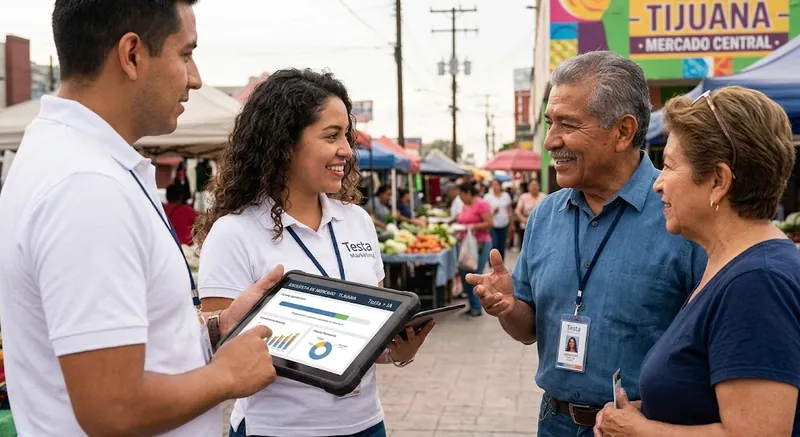
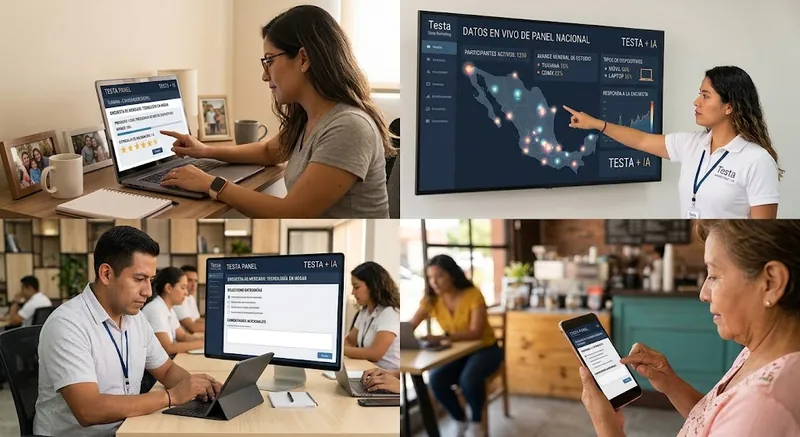
They measure how many, and with what representativeness. Useful once there is a hypothesis to validate.
They answer why something happens. Useful when you do not yet know what to ask.
IDI
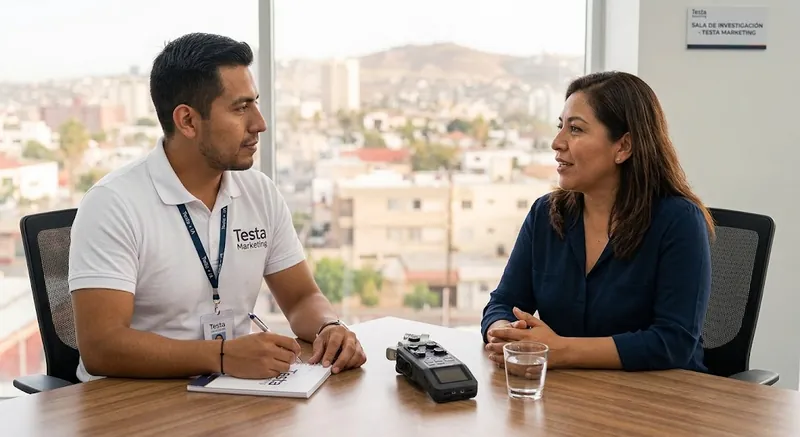
In-depth interviews
For hard-to-gather profiles and subjects nobody discusses in a group.
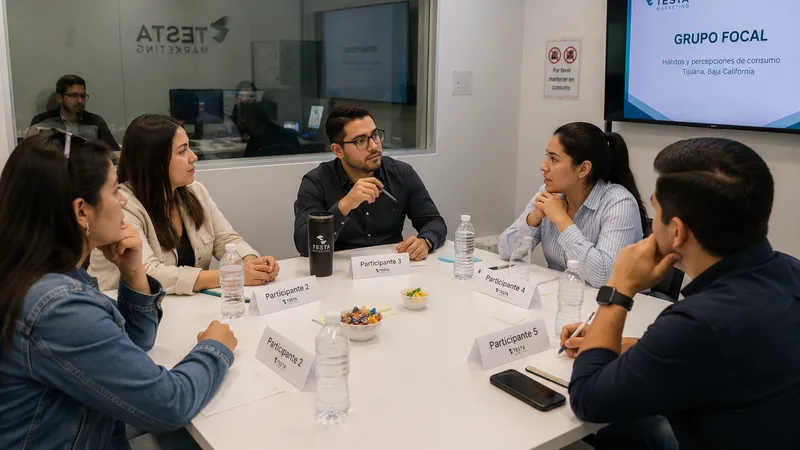
FG
Focus groups
Watching an opinion form when there is someone else in the room.
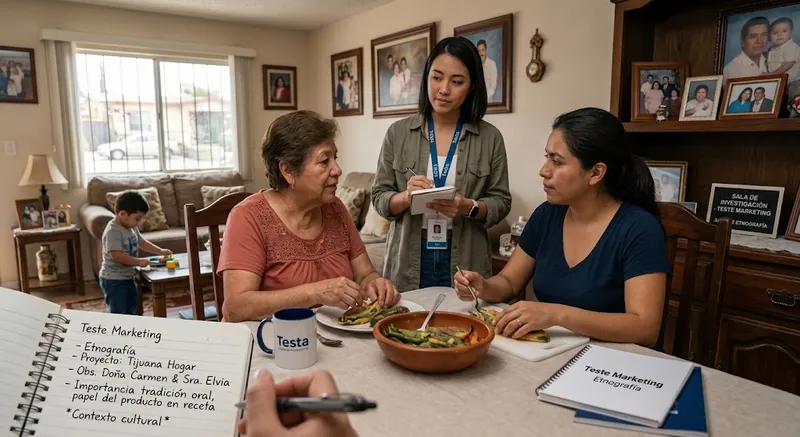
Qualitative
Ethnography
What people do is not always what people say they do.
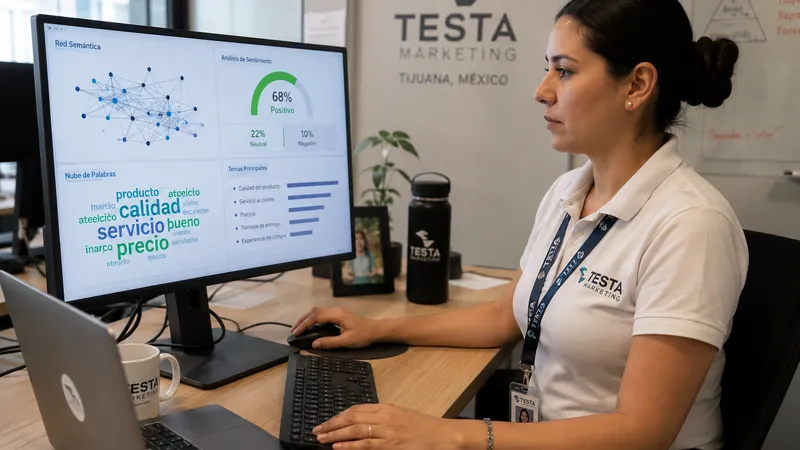
Qualitative
Discourse and narrative analysis
What is being said, who is saying it, and in what words.
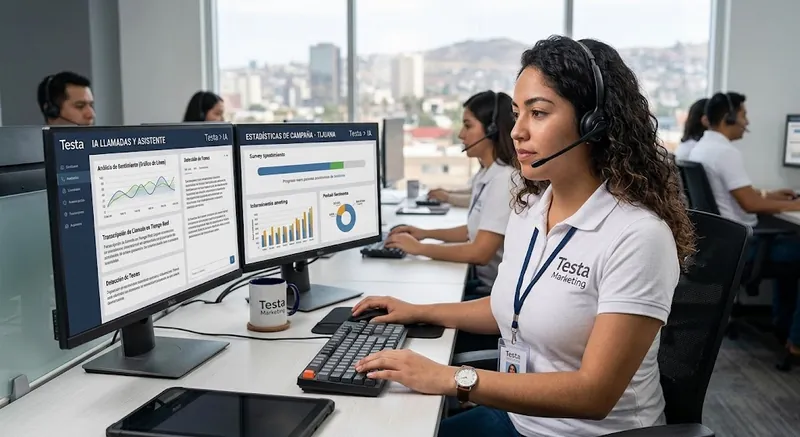
Point-of-sale observation, documentary sources, data analytics and product testing.
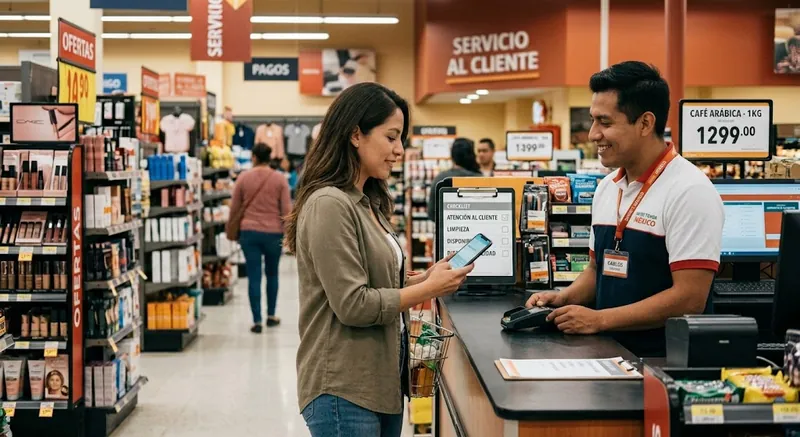
Observational
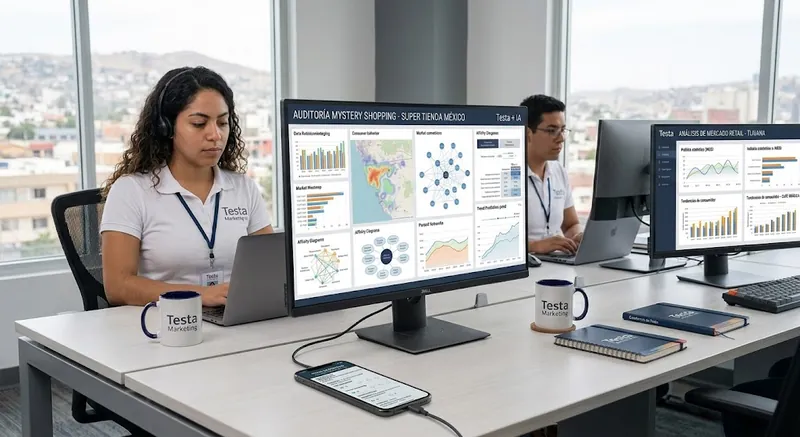
Mystery shopper
The service given when nobody from head office is watching.
Documentary
Desk research
Everything already published, organised so it is actually usable.
Analytical
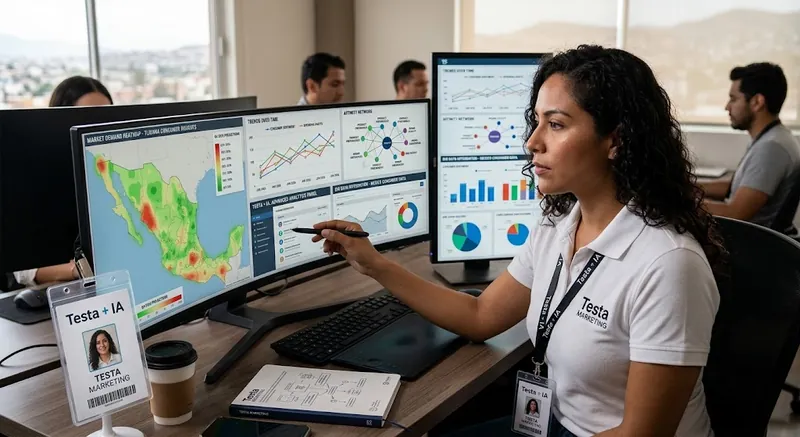
Data and Big Data analysis
Your own data usually holds the answer before you go out and ask.
Product
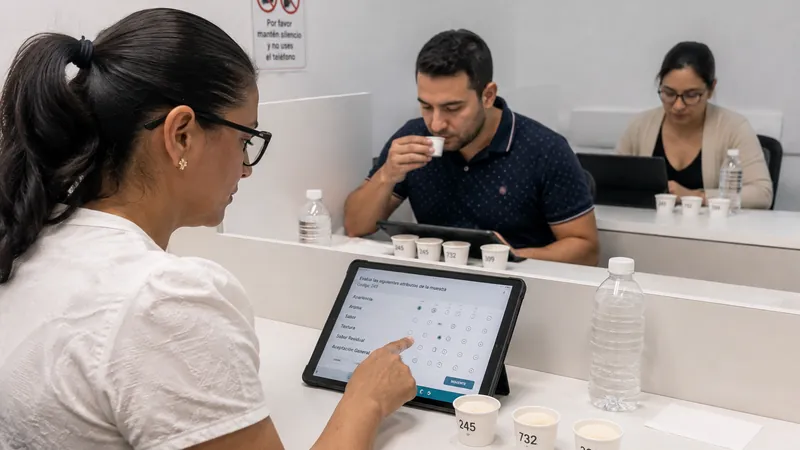
Sensory testing
When the decision comes down to taste, smell or texture.
Tell us what decision you are facing and we will tell you which study answers it.